Okay, so check this out—I’ve been messing around with various crypto wallets lately, and something really struck me about the way we interact with dApps and manage assets across chains. Seriously, it’s like we’re still stuck in the early days of the internet, fumbling around with clunky tools that barely talk to each other. But then I stumbled upon a setup that brought everything into this sleek, unified experience, and honestly, it felt like a breath of fresh air.
My gut said there had to be a better way to handle all the chaos of multiple blockchains, countless tokens, and the nagging fear of security breaches. At first, I thought, “Maybe it’s just me overcomplicating things,” but nope—there’s a whole wave of innovation around dApp connectors paired with hardware wallet support and integrated portfolio trackers that’s genuinely reshaping the game.
Here’s the thing. We all know that juggling various decentralized apps (dApps) can be a total headache, especially when you’re hopping from Ethereum to Binance Smart Chain, or Solana, or whatever random chain is buzzing that week. Without a solid dApp connector, you’re basically logging in over and over, risking phishing scams, and losing precious time. That’s why I’m pretty excited about tools that let you streamline this process without sacrificing security.
Whoa! I remember the first time I tried a hardware wallet with dApp support. It wasn’t seamless at first—the setup was a little rough, and I almost gave up. But once it clicked, it was like night and day. Suddenly, my assets were locked down tight, and I could approve transactions on the spot, directly from the hardware device. No more fumbling with browser extensions that might be compromised. It’s a level of control and peace of mind I hadn’t expected.
Now, hold on. Before I get too carried away, it’s worth noting that not every hardware wallet out there plays nice with every dApp or chain. Compatibility can be a mess, and sometimes the UX feels like it was designed by cryptographers who forgot about everyday users. But the good news is that some wallets are bridging those gaps better than others—take truts, for example. They’re really pushing for broad multichain support with integrated dApp connectors and hardware wallet compatibility that just works.
So, why does this matter so much? Well, managing your portfolio manually across dozens of tokens and chains is exhausting. The numbers rarely add up unless you’re super meticulous, and even then, you might miss some airdrops or small balances hidden in obscure contracts. That’s where portfolio trackers come into the picture. They pull everything together — balances, transaction history, performance metrics — all in one place.
Hmm… I used to rely on spreadsheet tracking, which was a nightmare. It’s slow and error-prone. The more I dived into decentralized finance (DeFi) and NFTs, the more complex it got, until I finally accepted that automation was a must. The best portfolio trackers integrate directly with your wallet(s), sometimes even syncing with your hardware devices to ensure data integrity. It’s a very very important step toward simplifying crypto life.
Interestingly, many portfolio trackers also offer analytics that reveal patterns in your trading behavior or suggest optimization strategies. Initially, I thought, “Nah, I don’t need a robot telling me how to trade,” but then I realized these insights helped me spot overlooked risks—like overexposure to volatile tokens or gas fee inefficiencies—that I’d probably ignore otherwise.
Check this out—some platforms have started bundling all these features: dApp connectors, hardware wallet support, and portfolio tracking into a single interface. It’s not perfect yet, mind you, but the convenience is undeniable. Imagine approving a DeFi loan from your hardware wallet, seeing your updated portfolio value instantly, and switching chains without relogging or losing your session. That’s the dream, right?
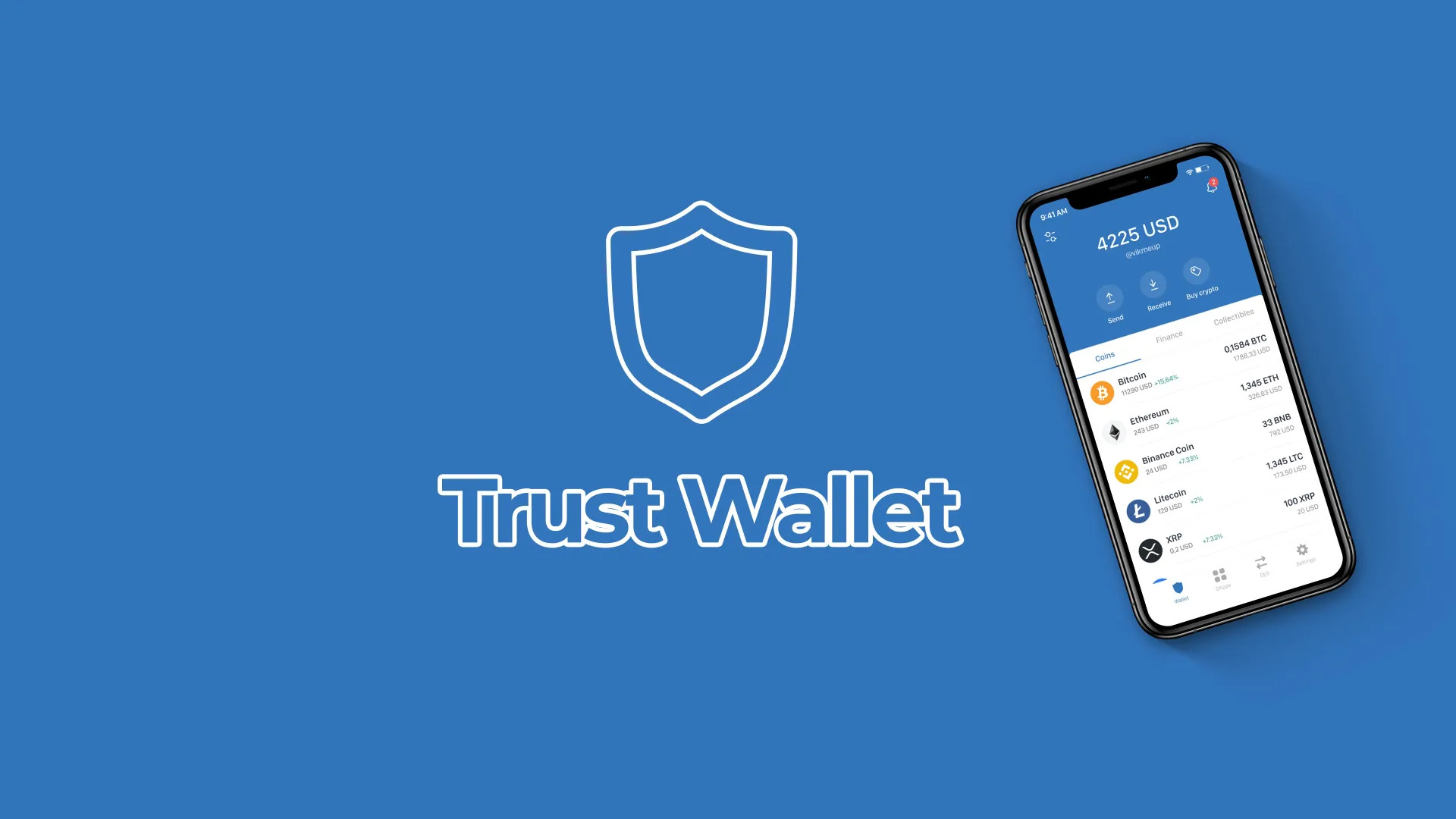
Okay, so here’s what bugs me about the current landscape: fragmentation. Despite these advances, many users still rely on a patchwork of apps and extensions that barely sync with each other. It’s easy to feel overwhelmed or fall prey to scams when your workflow involves flipping between multiple platforms and devices. The industry needs more holistic solutions that prioritize security and user experience equally.
On one hand, decentralization means no single point of failure, which is awesome. Though actually, on the other hand, this often leads to disjointed user experiences, which can scare off newcomers. Balancing these competing priorities is tricky, but wallets like truts are showing promising signs of getting it right by supporting multisig hardware wallets and seamless dApp connections under one roof.
One more thing: I’m biased, but I think hardware wallets are non-negotiable for anyone serious about crypto. Software wallets are convenient, sure, but they’re just too vulnerable. I get that hardware wallets can be intimidating—there’s a learning curve, and sometimes it feels like you’re juggling physical keys and digital assets simultaneously—but the safety trade-off is worth it. Especially when the wallet supports direct dApp interactions, reducing the attack surface dramatically.
Initially, I thought portfolio trackers were just nice-to-have tools, but now I see they’re essential. Without them, you’re flying blind. And by flying blind, I mean missing opportunities, losing track of your real holdings, and maybe even overlooking suspicious activity. The right tracker—hooked up to a secure wallet and dApp connector—can be like your co-pilot in this wild crypto ride.
Something felt off about the earlier generation of these tools, though. They were often separate products, created by teams that didn’t talk to each other. This led to inconsistent data and clunky UX. But now, the lines are blurring. Wallets are becoming platforms, and platforms are embracing hardware security. This evolution is exciting, but it also means users have to be more discerning about what they adopt.
Here’s a quick heads-up: when choosing a wallet or tracker, always check for active development and community trust. Being open source helps, but it’s not the whole story. Look for wallets that actively push updates, support multiple chains, and have robust hardware wallet integration. If you want a solid example of this philosophy in action, the truts wallet is worth a look.
So what’s next? Honestly, I’m curious how these tools will evolve as Layer 2 solutions and cross-chain protocols mature. Will we get to a point where managing your entire crypto life feels as natural as checking your bank app? I’m cautiously optimistic but aware that scaling convenience without compromising security is a tall order.
Anyway, if you’re deep in Web3 or just starting out, exploring wallets that combine dApp connectors, hardware wallet support, and portfolio tracking should be a priority. It’s a combo that’s really starting to make sense for anyone juggling digital assets across chains.
Honestly, I’m not 100% sure what the perfect wallet looks like yet, but seeing how these pieces fit together gives me hope. And if you want to experiment with something that’s already heading in the right direction, check out truts. It’s not flawless, but it’s a glimpse of where we’re headed.